You want your kid to try gymnastics. Great choice. But now comes the hard part. You Google "gymnastics near me," and suddenly there are six options, all promising the best coaches and the safest equipment.
So how do you actually pick the right one?
Choosing a kids' gymnastics program doesn't have to feel overwhelming. You just need to know what to look for. Here are seven things that separate a good gym from a great one.
This is where your parent instincts matter most. When you visit a gym, look around before anyone gives you a tour.
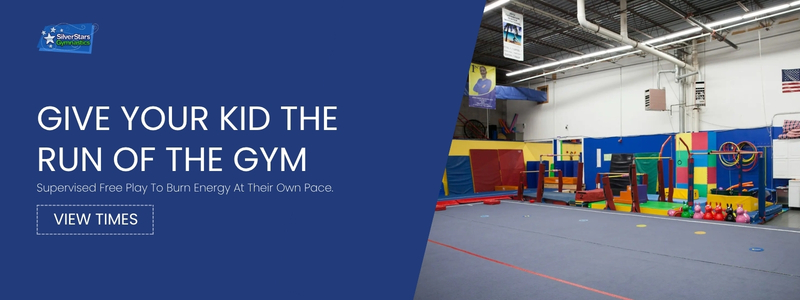
Are the mats clean and in good shape? Is the equipment padded where it should be? Are the floors soft enough for a child who's still learning to balance?
A gym that takes safety seriously will have daily equipment checks, clear rules posted where families can see them, and small class sizes so coaches can actually watch every child. For preschool-age kids, look for ratios of around 7 children per coach or fewer. For school-age classes, 9 to 1 is a solid benchmark.
If the gym feels cluttered, the equipment looks worn, or nobody can tell you their safety routine, trust your gut and keep looking.
Not sure your child's ready yet? Read more: What Age Is Right for Your Child
Here's something a lot of parents miss. A coach can be experienced and still not be great with kids.
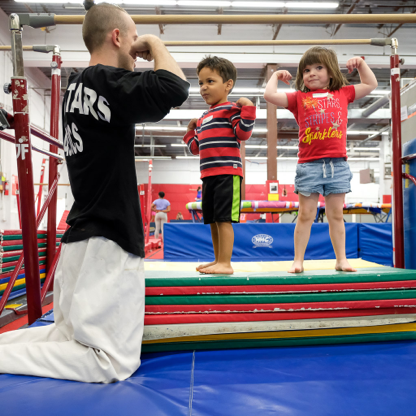
When you're figuring out how to choose a gymnastics gym, spend a few minutes watching a class from the viewing area. Listen to how coaches talk to the children. Are they patient? Do they celebrate small wins? Do they notice the shy kid in the corner and gently bring them in?
Joy-first coaching makes all the difference, especially for younger children. A good coach doesn't just teach cartwheels. They build confidence. They make your child want to come back next week.
If a coach seems frustrated, rushes through instructions, or only focuses on the most athletic kids in the room, that's a red flag.
A 4-year-old and a 10-year-old should never be learning the same skills in the same class. That might sound obvious, but not every gym separates children properly.
The best programs break classes down by developmental stage. Toddlers and preschoolers should be in classes designed for their motor skills and attention spans. School-age kids should have their own track. And older beginners should have a place to start without feeling out of place next to kids who've been training for years.
At Silver Stars Gymnastics in Silver Spring, for example, classes start as early as 6 months old with parent-child sessions and go all the way up through teen programs. Each level is built around what kids at that age can actually do, not what adults wish they could do.
Check out this guide: Understanding Gymnastics Program Levels
This is a big one. Some gyms only care about building competitive athletes. If your child isn't the fastest or the most flexible, they get overlooked. Or worse, a coach tells you your kid "isn't a good fit."
When you're choosing a kids' gymnastics program, ask about the gym's philosophy. Do they welcome every child, regardless of skill level? Do they offer recreational tracks alongside competitive ones?
A gym that celebrates personal growth over trophies will keep your child excited about movement for years. One that only focuses on elite athletes will burn most kids out before they hit middle school.
Silver Stars was actually founded on this exact idea. Back in 1993, founder Cherie Hope couldn't find a program that valued her own daughter's total well-being over winning medals. So she built one. Over 32 years later, families across the Washington, D.C. metro area still choose Silver Stars because every child is treated like a star.
Read more: Why Gymnastics Benefits Kids Long-Term
Never sign a contract without letting your child try the experience first. A good gym makes this easy.
Look for programs that offer a free trial class with no strings attached. Your child gets to feel the space, meet a coach, and try some skills. You get to see the environment, the coaching style, and how the other kids are treated.
Silver Stars offers a free trial class for new families, and you can schedule it at any time that works for your calendar. No pressure, no sales pitch. Just a chance to see if it's the right fit.
If a gym won't let you try before you pay, ask yourself why.
Hidden fees and rigid contracts are two of the biggest frustrations parents run into with kids' activities.
When you're researching what to look for in a gymnastics class, ask about the enrollment model. Is it monthly and ongoing, or are you locked into long-term commitments? Are there surprise costs for uniforms, testing, or class changes?
The best programs keep things simple. Monthly enrollment, clear pricing, and no session-based lock-ins. Silver Stars uses a monthly, ongoing enrollment model, so you're never stuck paying for something that isn't working.
Also, ask about multi-class discounts if you have more than one child or want to sign up for multiple programs. Many gyms offer these, and they can make a real difference in your family budget.
A great gymnastics gym becomes part of your family's life, not just a line on the weekly schedule.
Look for programs that go beyond regular classes. Camps during school breaks, birthday party options, open gym drop-in sessions, and special evening events all signal a gym that truly understands what families need.
Silver Stars offers all of these. Their camps run during summer, winter, and school breaks. They host Kids' Night Out events so parents can get a Saturday evening to themselves. They even offer a free monthly Storytime + Open Gym event for babies.
When a gym builds a full community around its families, your child gets more opportunities to move, play, and grow. And you get more flexibility as a busy parent.
Next time you tour a gym, keep these seven things in mind. Watch a class. Talk to other parents in the lobby. Ask questions about safety, philosophy, and pricing. And most importantly, watch your child's face. If they light up, you've probably found the right place.
Ready to see what Silver Stars Gymnastics is all about? Join us today and schedule your free trial class.
Q: At what age should my child start gymnastics?
Children can start as early as 6 months old in parent-child classes. These early classes focus on basic motor skills, balance, and building comfort in a gym setting.
Q: How do I know if a gymnastics gym is safe?
Look for padded equipment, clean mats, small class sizes, and posted safety rules. Ask about daily equipment checks and coach-to-student ratios before signing up.
Q: Should I choose a recreational or competitive gymnastics program?
That depends on your child's interests. Most kids do best starting in recreational classes that focus on fun and skill-building. Competitive tracks are there when and if your child is ready.
Q: What should my child wear to their first gymnastics class?
Comfortable, stretchy clothing that allows full movement works best. Avoid loose clothing, zippers, or anything with buttons. Most gyms also ask kids to go barefoot.
Q: Can my child try a gymnastics class before enrolling?
Many gyms offer free trial classes for new families. At Silver Stars Gymnastics, your first trial class is free and can be scheduled at any time that works for you.