Active Summer Camps: Summer is coming, and you already know what that means. Long, hot days. Restless kids. And a fridge that empties twice as fast. If you're a parent wondering how to keep your child active, happy, and off the couch for the next few months, an active summer camp might be exactly what you need. But with so many options out there, it's hard to know where to start. This guide breaks it all down so you can stop scrolling and start planning.
Not all Kids summer camps look the same. Some focus on arts and crafts. Others lean heavily on academics. An active summer camp is different. It's built around movement, play, and physical challenges.
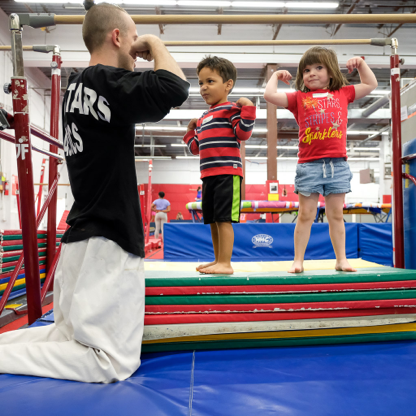
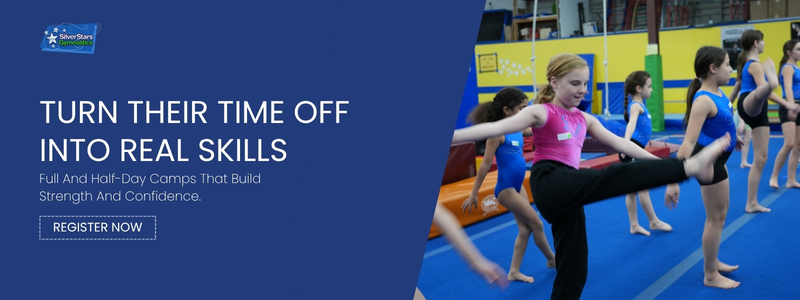
Think gymnastics lessons on vault, bars, beam, and trampoline. Think ninja challenges, creative games, and tumbling. The best programs mix structured skill-building with free play so kids stay engaged without burning out.
Summer camp activities for kids at these programs often include team relay races, scavenger hunts, obstacle courses, dance, and field games. On rainy days or in warmer climates, summer camp games indoors, like tag variations, gymnastics circuits, and creative movement, keep the energy going inside.
The goal is simple. Kids move. Kids laugh. Kids build skills they actually carry with them.
Check the Summer Camps at Silver Star Gymnastics
You already know screens are a problem in the summer. But here's the part most parents don't think about. Kids who sit still all summer often lose confidence, social skills, and physical fitness before school even starts again.
Active summer camps fix that. They give kids a reason to move every single day. They put your child in a room (or a gym, or a field) with other kids who are also learning, falling down, and getting back up.
The real benefits go beyond fitness. Kids learn how to work on a team, how to follow instructions from a coach, and how to set small goals and actually hit them. That's the kind of growth that sticks.
Not every active camp is a good fit. Here's what to check before you register.
Ask how many kids each coach supervises. Lower ratios mean more attention on your child. Programs that keep groups small create a safer, more supportive environment.
Look for daily equipment checks, clear rules, padded floors, and a written plan for emergencies. If a camp can't answer your safety questions in detail, that's a red flag.
A camp designed for a 4-year-old should look completely different from one built for a 10-year-old. The best programs group kids by age and ability so every child feels challenged, not overwhelmed.
Summer activities for kids' camp should include both coached skill-building and time to just play. Too much structure feels like school. Too little structure leads to chaos.
Many camps shut down in early August. If you need coverage through the last week of August, check the schedule carefully. Programs that run all summer long are harder to find, and they fill up fast.
Here's something parents forget to ask. What happens when it rains?
The best active camps already have a plan for that. Summer camp indoor activities at gymnastics-based programs are a huge advantage here. The equipment is already indoors. Trampolines, balance beams, obstacle setups, and tumbling mats don't care about the weather.
Summer camp games indoors can include relay races through the gym, creative movement stations, ninja-style challenges, and even craft breaks to give kids a breather between active rounds. A well-run indoor program keeps the same energy as an outdoor one, just with air conditioning.
If you're looking at a camp that relies entirely on outdoor space, ask what the backup plan is. "We'll figure it out" is not a backup plan.
Also Read: Tumble Into Fun: The Ultimate Guide to Summer Gymnastics Camps for Kids
This is the part every parent wants to know. Costs vary a lot depending on where you live, how long the camp runs, and what's included.
For day camps, weekly rates in the U.S. typically fall somewhere between $179 and $280. Overnight camps run significantly higher, often between $1,500 and $1,800 per week. Half-day options are usually more budget-friendly if your child is on the younger side.
Here's a tip. Many camps offer early registration discounts. Some also provide multi-class or multi-week discounts. Ask about these when you call. They can save you more than you'd expect.
And one more thing. Summer camps that book by the full week tend to offer better structure and consistency. Your child builds friendships, gets comfortable with coaches, and makes real progress over five full days instead of a scattered schedule.
The short answer is now. The most popular active summer camps start filling spots in January and February. By spring, many programs are down to waitlists.
If you're reading this and it's already May or June, don't panic. Spots do open up, especially at camps that run through the end of August. But if you've found a program you like, don't wait. Call, ask your questions, and lock in your child's spot.
A little prep goes a long way. Here's a quick list:
Also Check: Best Kids Summer Camps in 2026 in Silver Spring
When your child spends their summer learning new skills, making friends, and moving their body every day, they come back to school stronger. Not just physically, but mentally and socially too.
At Silver Stars Gymnastics in Silver Spring, MD, summer camp runs all the way through the last week of August. Camp is open to kids ages 4 and up, all skill levels, and booked by the full week. Activities include gymnastics training on vault, bars, beam, tumbling, and trampoline, plus ninja challenges, creative crafts, and games. Experienced coaches lead every activity in a safe, supportive environment. The facility is just minutes from the DC border area off East-West Highway, making it an easy drive for families across the D.C. metro region.
Your child's best summer is one registration away. Join us today.
Q. At what age is it best to start an active summer camp?
Most active summer camps accept kids starting at age 4 or 5. At that age, children are ready to follow group instructions, play with peers, and enjoy structured physical activities in a supervised setting.
Q. Are summer camps safe for younger children?
Yes, as long as the camp has trained staff, low coach-to-camper ratios, padded equipment, and clear safety protocols. Always ask about their emergency plan and daily safety checks before you register.
Q. What kind of summer camp activities for kids are most common?
Gymnastics, tumbling, trampoline, relay races, obstacle courses, ninja challenges, scavenger hunts, and creative crafts are all popular at active camps. Many programs also include dance, team games, and free play time.
Q. Can my child attend camp if they have no experience in gymnastics or sports?
Absolutely. Active summer camps welcome all skill levels. Coaches adjust activities so beginners feel comfortable and experienced kids stay challenged.
Q. How far in advance should I register for summer camp?
As early as possible. Many popular active camps start filling up by January or early spring. If you find a program you like, register right away to secure your child's spot.
Explore a variety of fun and skill-building programs at Silver Star Gymnastics, from gymnastics and dance to camps and recreational activities designed for kids of all ages.